
 0
0
 0
0
After more than ten years working hands-on as an automotive technician, I’ve learned that an auto garage shows its true character long before the invoice is printed. You don’t discover it from a slogan or a waiting room coffee machine. You discover it in how problems are approached, how time is used, and how decisions are made when no one is watching.
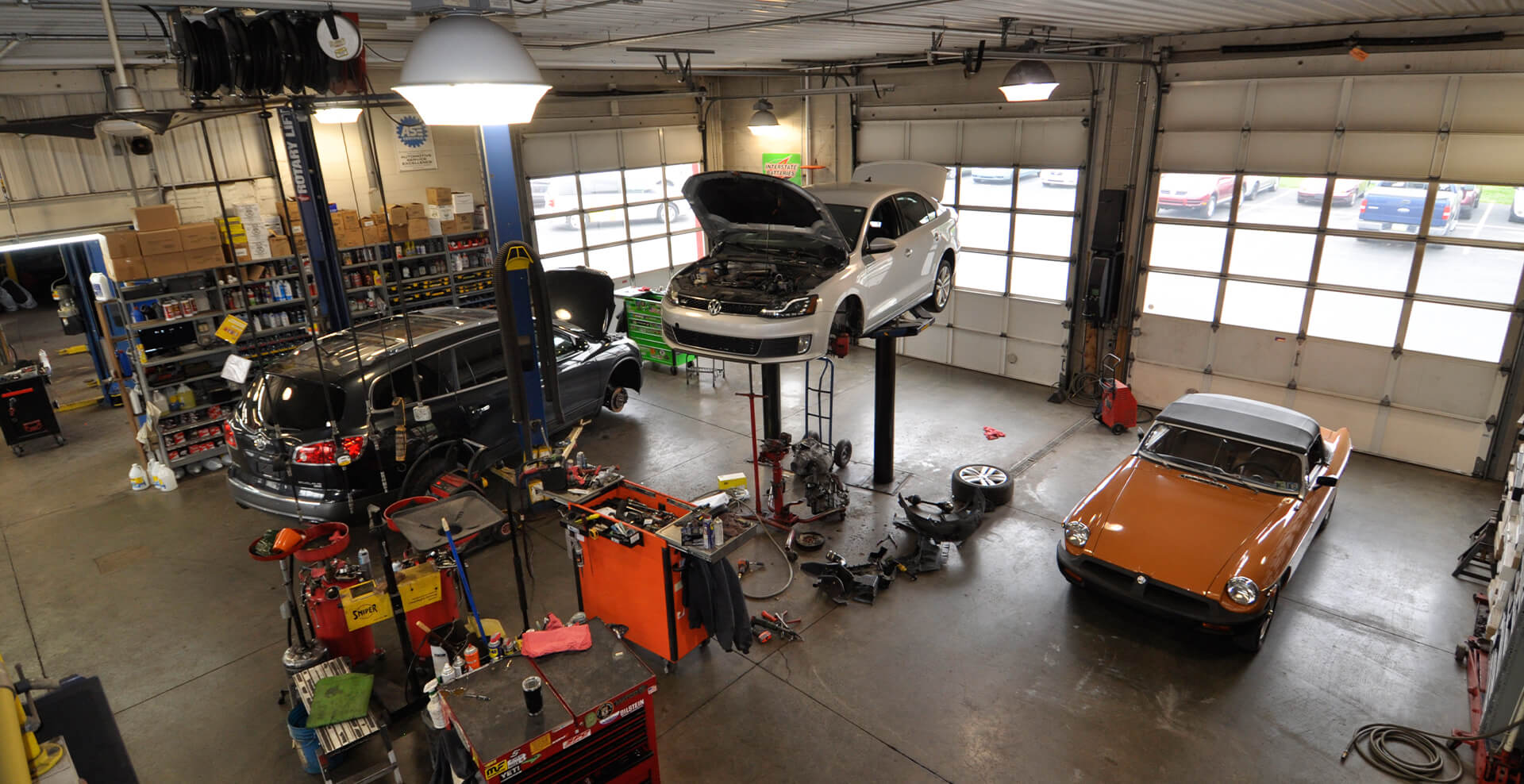
I started out in a busy independent garage where volume mattered. Cars came in nonstop, and the pressure to keep bays full was constant. Early on, I watched a technician replace multiple parts on a car with a recurring misfire because the shop didn’t want to spend time diagnosing wiring. The customer paid for each attempt, and the problem kept returning. When the car eventually landed in my bay, the issue turned out to be a damaged connector hidden behind an engine mount. It took patience, not expensive parts. That moment stuck with me. A garage that guesses instead of diagnoses may look efficient, but it quietly costs customers far more over time.
In my experience, the best garages respect the process even when it slows things down. I’ve worked in places where management allowed technicians to finish inspections properly, even if it meant fewer cars per day. Those shops had fewer comebacks and calmer customers. Contrast that with another garage I briefly worked at, where rushing brake jobs was common. One winter, a customer returned complaining of vibration and noise. The pads were fine, but the hub surfaces hadn’t been cleaned during installation. Fixing it meant doing the job again, unpaid. Speed had created more work, not less.
Another thing years inside a car garage teaches you is how transparency feels from the inside. I once saw a service advisor explain to a customer that a repair could safely wait until the next service interval. The delay meant losing several thousand dollars in immediate revenue, but it earned long-term trust. That customer returned regularly and referred others. On the other hand, I’ve seen garages frame optional work as urgent without explaining why, leaving customers anxious and defensive instead of informed. Those garages often relied on one-time visits rather than relationships.
Cleanliness and organization also matter more than most people realize. I’m not talking about spotless floors for show. I mean tool organization, labeled parts, and technicians who can find what they need without frustration. In garages where torque wrenches were calibrated and diagnostic equipment was kept current, mistakes were caught early. In cluttered shops, small errors slipped through and turned into larger problems later. Those patterns repeat themselves more consistently than most customers would expect.
One mistake I see car owners make is assuming all garages are interchangeable. They aren’t. Each has a culture shaped by experience, leadership, and priorities. Some garages reward speed, others reward accuracy. Neither approach is advertised clearly, but you feel the difference in the outcome. Cars today are complex systems, and treating them like interchangeable machines often leads to confusion and unnecessary expense.
Working in the trade also changes how you view explanations. A good garage doesn’t overwhelm customers with jargon, but it doesn’t hide behind vagueness either. I’ve found that when technicians understand a problem deeply, they can explain it simply. When they don’t, explanations become either evasive or overly technical. Listening to how an issue is described tells you a lot about whether the diagnosis is solid or shaky.


