
 0
0
 0
0
When I first started working with a tree removal company in Maryland, I quickly realized that cutting down a tree isn’t just about wielding a chainsaw—it’s about strategy, safety, and anticipating the unexpected. In my ten years of experience in tree care and landscaping, I’ve seen projects go smoothly when proper planning is applied, and become costly headaches when overlooked. A customer last spring called us about a large oak dangerously leaning over their driveway. At first glance, Tree Removal Company Maryland, but upon closer inspection, I noticed weak root structure on one side and proximity to overhead power lines. We devised a careful rope-and-crane approach, which safely removed the tree without damage to the property.
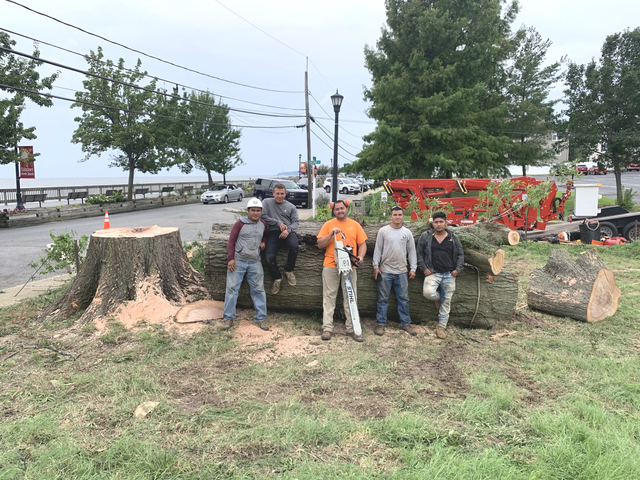
One of the most important lessons I’ve learned is that every tree and property has its own quirks. I remember a situation in a Maryland suburb where a client wanted a tall pine removed near their house. The initial plan was to cut it in sections from the top down. Once on site, I realized the ground was soft from recent rains, which could cause heavy machinery to sink. By adjusting the plan and installing temporary matting, we completed the job efficiently and safely. In my experience, these site-specific adjustments often make the difference between a smooth operation and an emergency call.
Timing and seasonal factors play a bigger role than most people expect. I once had a client in late fall who wanted several trees removed before winter. I advised against rushing, explaining that frozen ground would actually make crane placement safer and minimize soil damage. Waiting a few weeks proved beneficial—the trees came down cleanly, and the yard stayed intact. From my perspective, experience in reading weather and soil conditions is as vital as knowing how to operate equipment.
I’ve also noticed common mistakes homeowners make. One client had attempted DIY removal of a small maple that was too close to a fence. The saw slipped, nicking the fence and causing minor damage. I guided them through proper removal procedures and ended up doing the job myself. Seeing firsthand the difference between professional planning and casual attempts reinforces why certified, experienced companies exist to protect both property and people.
Working with a tree removal company in Maryland has shown me that effective tree care is about more than cutting and hauling. It’s about evaluating risks, choosing the right tools and timing, and anticipating every detail—from branches that could snap to underground utilities. Each project strengthens my perspective: the safest, most efficient removals require patience, hands-on judgment, and respect for the power and unpredictability of trees.


